Asuka · World Heritage Components · The Murals
The Painted Tombs: Court Ladies and a Star Chart
Two modest mounds held the finds of the century: a procession of court ladies in continental silks, and a gold-studded star chart older than any other of its kind in East Asia.
- 6 Tour Types All Experience Levels
- Skip the Line Entry Included
- Free Cancellation
How a Mural Visit Works
Four steps, viewing truth first.
Know What You'll See
The original chambers are sealed for preservation; the murals are shown at dedicated halls beside each mound - Kitora's Shijin-no-Yakata and the Takamatsuzuka mural hall.
Check the Windows
Original-mural viewings at Kitora rotate in limited periods; the exhibition halls themselves run year-round. Check locally or ask your guide which is on.
Read the Ceiling
Kitora's star chart maps the heavens in gold leaf - give the astronomy its minutes; it's the reason scholars still argue about the painters' sources.
Ride Between
The two mounds sit in the valley's southern quarter, minutes apart by bike - the cycling loop threads them with Ishibutai naturally.
Photo Gallery
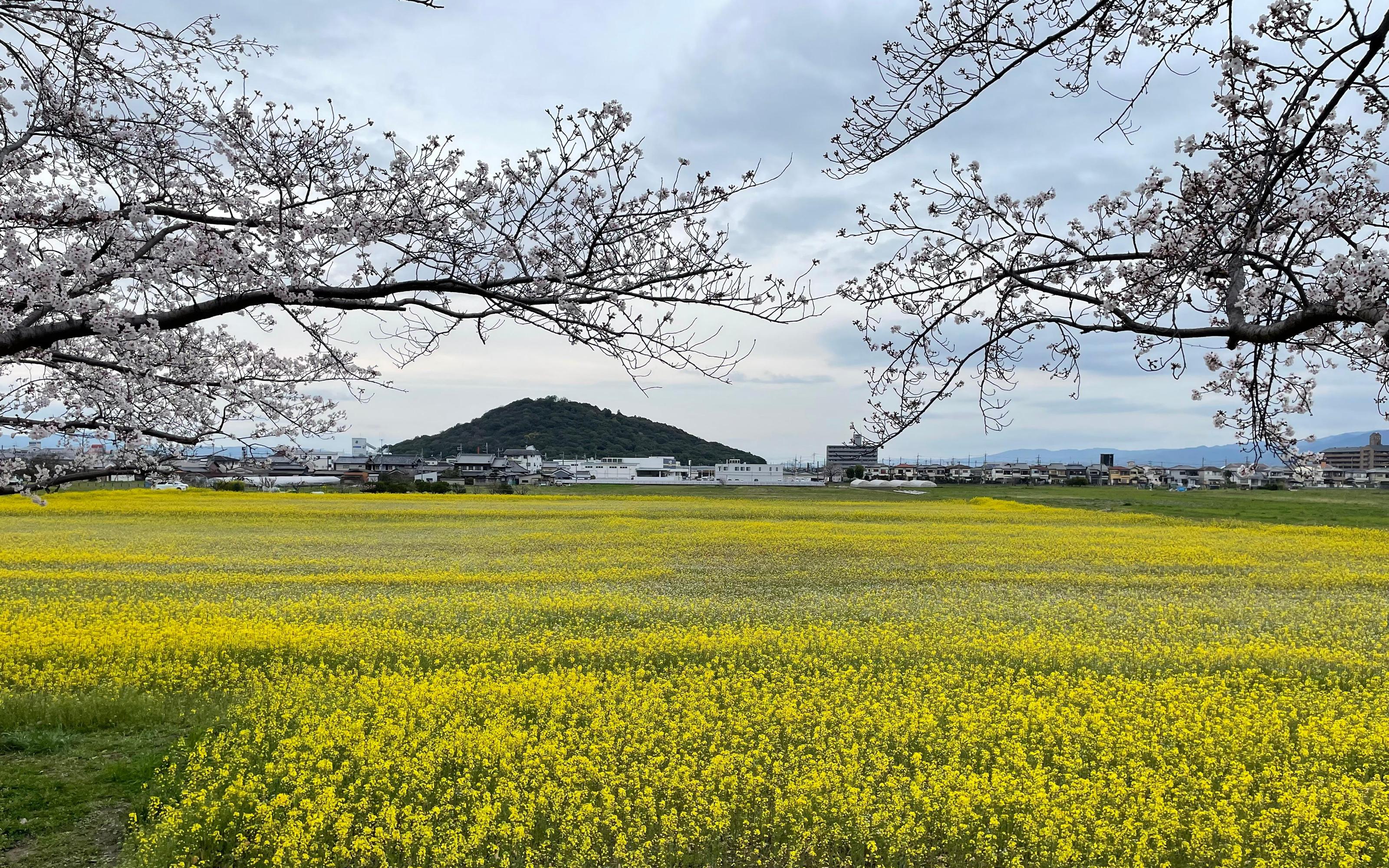
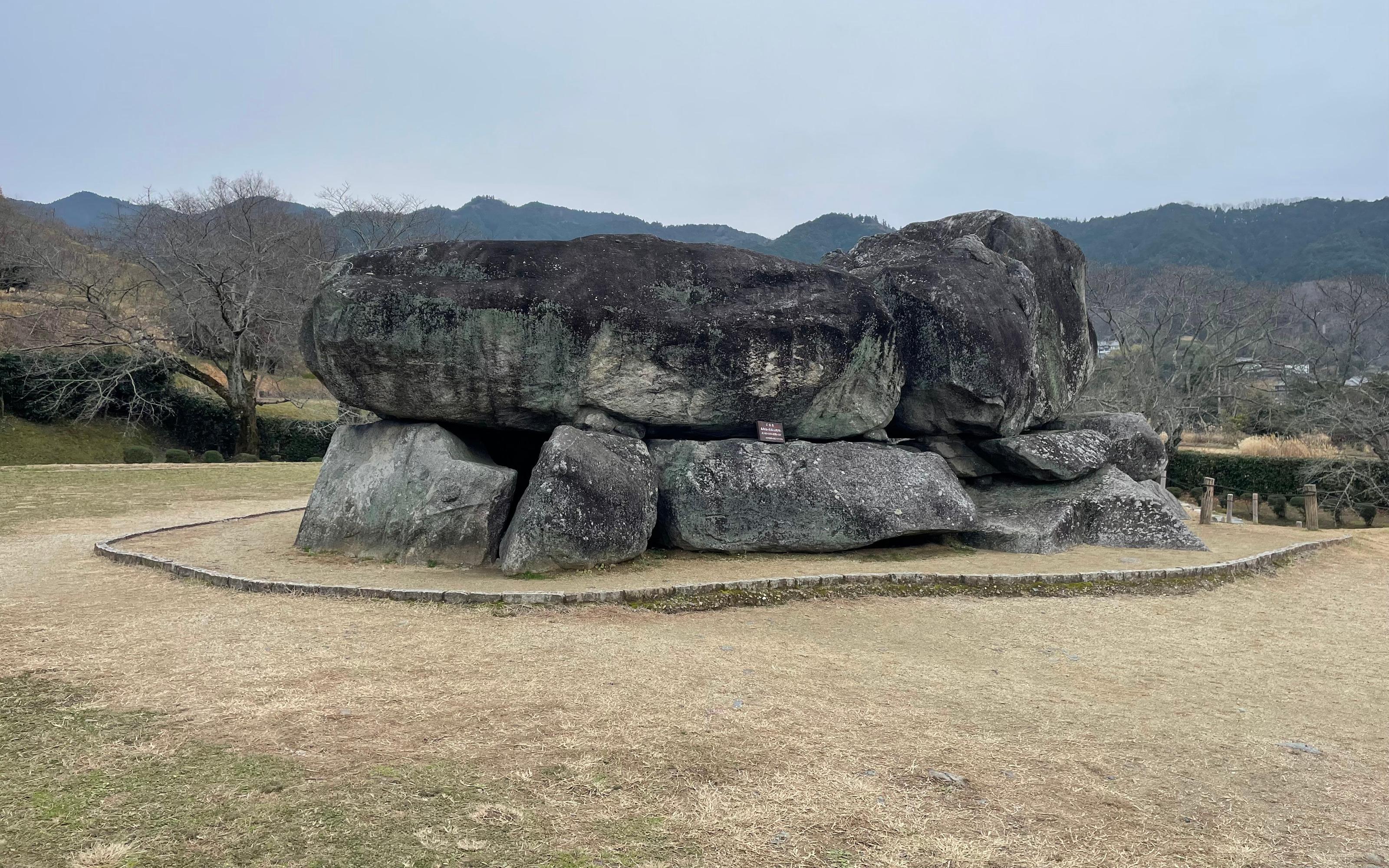
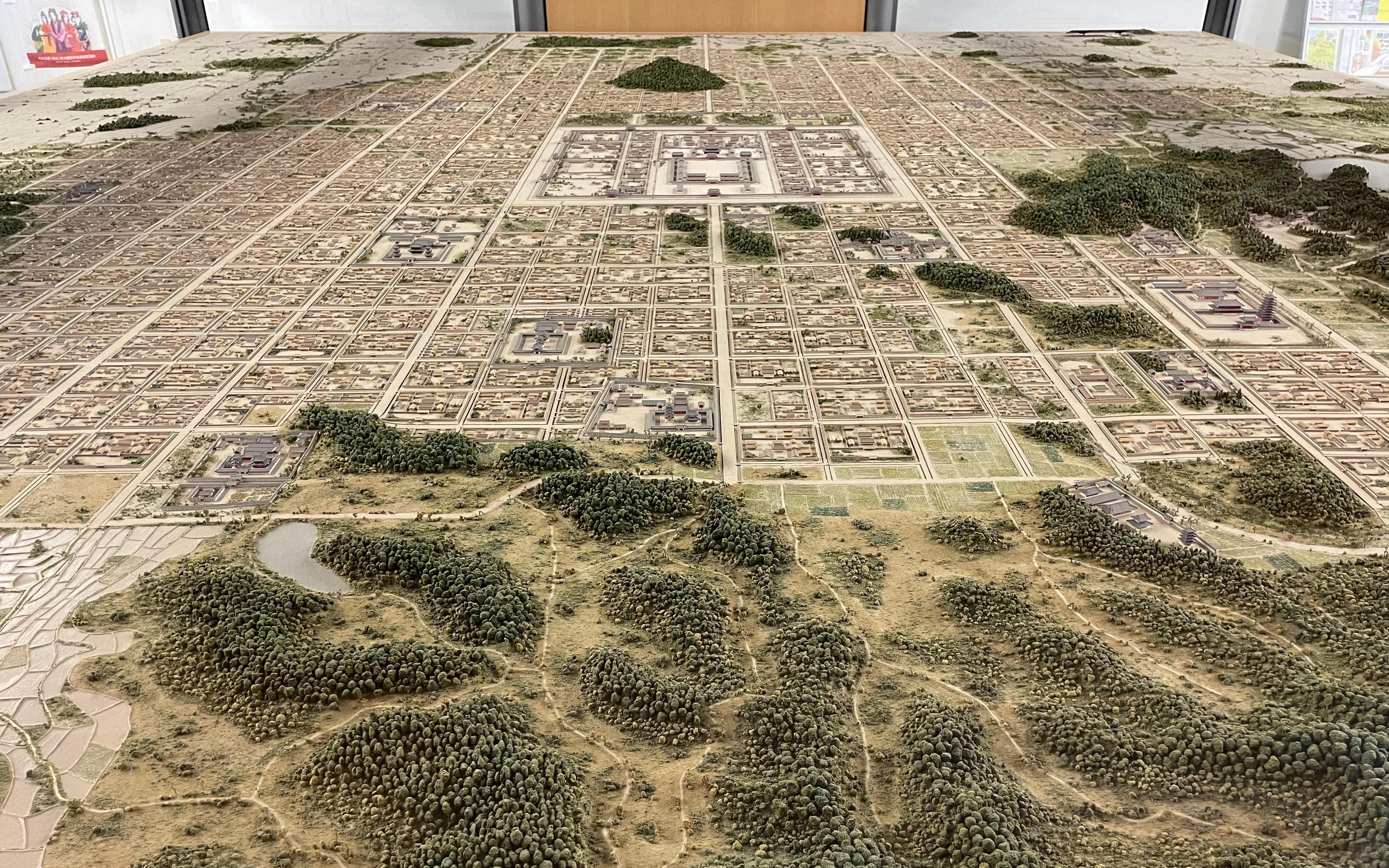
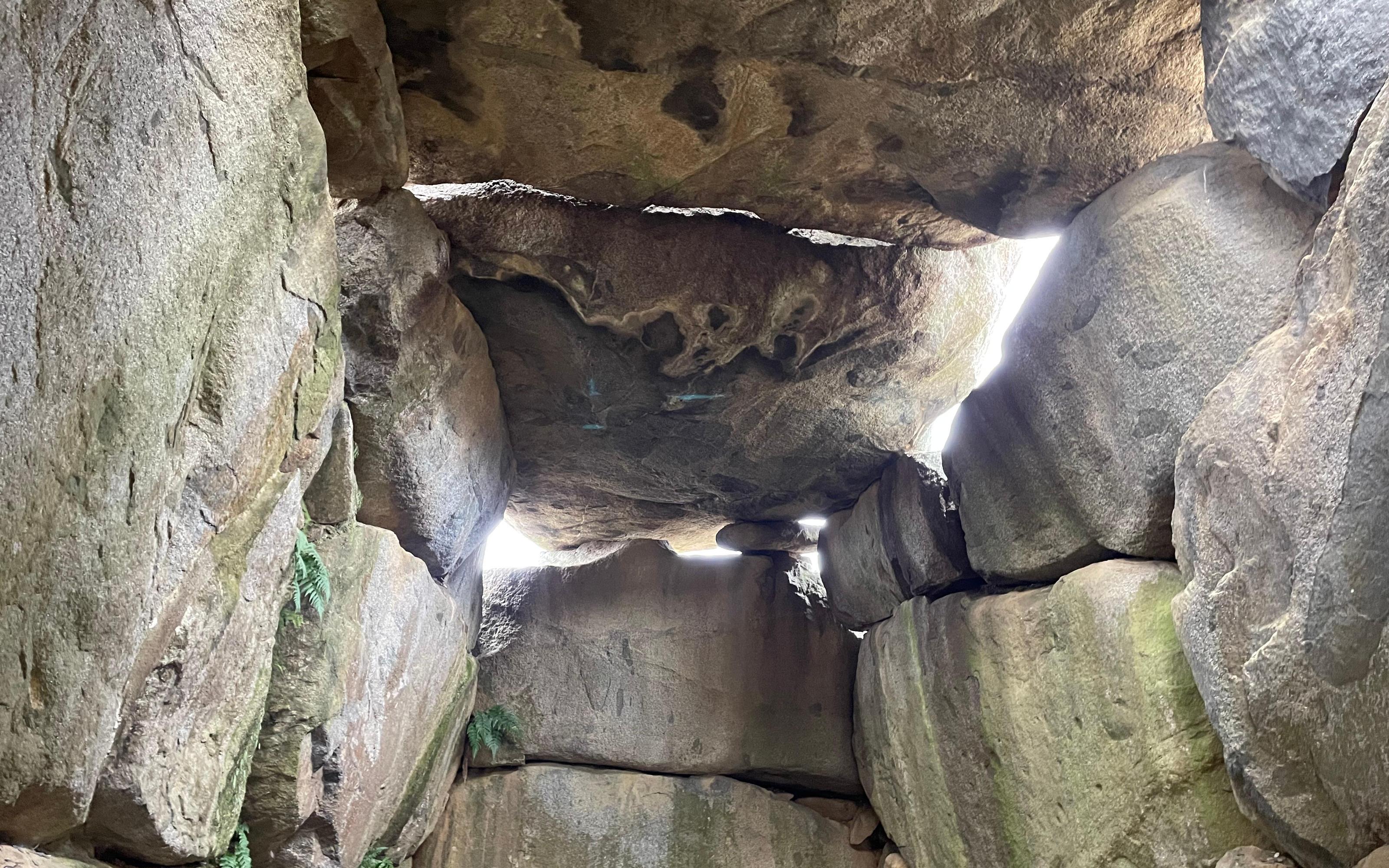
The Mural Country on Camera
The mounds, the halls, the lanes between.
Book Your Experience
Check Availability & Prices
Select your date and group size. Instant confirmation — free cancellation up to 24 hours before.
Ways into the Painted Story
Independent halls, the guided walk, or the Nara-paired private day.
| Feature | The halls, independently (small/free entries) | THE STORY, CARRIED Origin-of-Japan guided walk ($125) | Nara + Asuka private day ($90) |
|---|---|---|---|
| What you get | Kitora's hall is free, Takamatsuzuka's cheap - reproductions year-round, originals in rotating windows | The tombs, the star chart and the landscape between, narrated by someone who knows which window is open | Nara's giants and Asuka's chambers in one private arc with transport handled |
| Honest note | No button - walk in. English panels exist but run thinner than the story deserves | Young listing, pre-wave - small groups by default this season | The efficient two-in-one for short Kansai itineraries |
| Check Availability | Check the paired day |
Ways into the Mural Story
By guided bike or the Nara-paired private day. Free cancellation on all.


In 1972, archaeologists opening a modest mound at Takamatsuzuka found a procession that changed Japanese art history: court ladies in flowing continental dress - the Asuka Beauties - painted on plaster that had waited thirteen centuries in the dark. Kitora, its quieter neighbor, answered with the four guardian deities on its walls and, on the ceiling, a gold-detailed star chart generally regarded as the oldest surviving astronomical chart of its kind in East Asia - a map of skies argued to have been observed far from Japan, which is exactly the continental connection the whole Asuka story turns on.
The honest viewing brief: the chambers themselves are sealed - moisture and mold nearly destroyed the murals once, and preservation won the argument. What you visit are the preservation and exhibition halls beside the mounds (Kitora’s Shijin-no-Yakata is free), with original-mural viewing windows that rotate in limited periods through the year. We deliberately print no schedule - the halls publish current windows, and a guided day times the visit right without you managing it. Pair the murals with Ishibutai’s bare engineering and the valley’s burial story runs complete: the stones, then the paint.
Guest Reviews
What Visitors Say
Read all 0 verified reviews
See All ReviewsReady to See Where Japan Began?
Guided cycling, private heritage days and the from-Kyoto route - all with free cancellation. The crowds are a year away; the stones are not. Starting from $125 per person.
Browse the Asuka SectionsMural Tomb Questions
Everything you need to know before you visit Asuka.
The chambers are sealed for preservation, and the murals are shown at halls beside the mounds - Kitora's originals in rotating limited viewing periods, with excellent full-scale reproductions and the exhibition halls open year-round. Check the current windows locally; the halls publish them, and guides track them.
It maps a full circumpolar sky in gold leaf and is generally regarded as the oldest surviving chart of its kind in East Asia - old enough that scholars argue the observations behind it were made on the continent generations before the painter worked. It shares the chamber with the four directional guardian deities.
Yes - Takamatsuzuka and Kitora are both among the 19 components of the Ancient Capitals of Asuka and Fujiwara, inscribed in July 2026. They anchor the inscription's burial-culture story alongside Ishibutai's megaliths.
Still have questions? Email us at info@asukajapan.com