Asuka · World Heritage Component · The Megalith
Ishibutai: The Tomb That Lost Its Mound
Thirty-odd granite blocks, the heaviest the weight of a loaded jet, stacked into a chamber you can walk inside - with the burial mound that once hid them stripped away by fourteen centuries.
- 6 Tour Types All Experience Levels
- Skip the Line Entry Included
- Free Cancellation
How an Ishibutai Visit Works
Four steps, small-fee truth included.
Pay the Small Gate
Admission is a few hundred yen at the site - the valley's monuments charge pocket change, not palace prices. Open daily, daylight hours.
Walk Inside
The chamber is the point: stand under a ceiling stone heavier than a house and feel the seventh century's engineering argument settle.
Circle the Moat Line
The empty ring around the stones is where the mound stood. Reading the absence is half the monument.
Pair It Smartly
Asuka-dera is a ten-minute pedal; the mural halls a little further. Ishibutai anchors the loop rather than ending it.
Photo Gallery
The Megalith on Camera
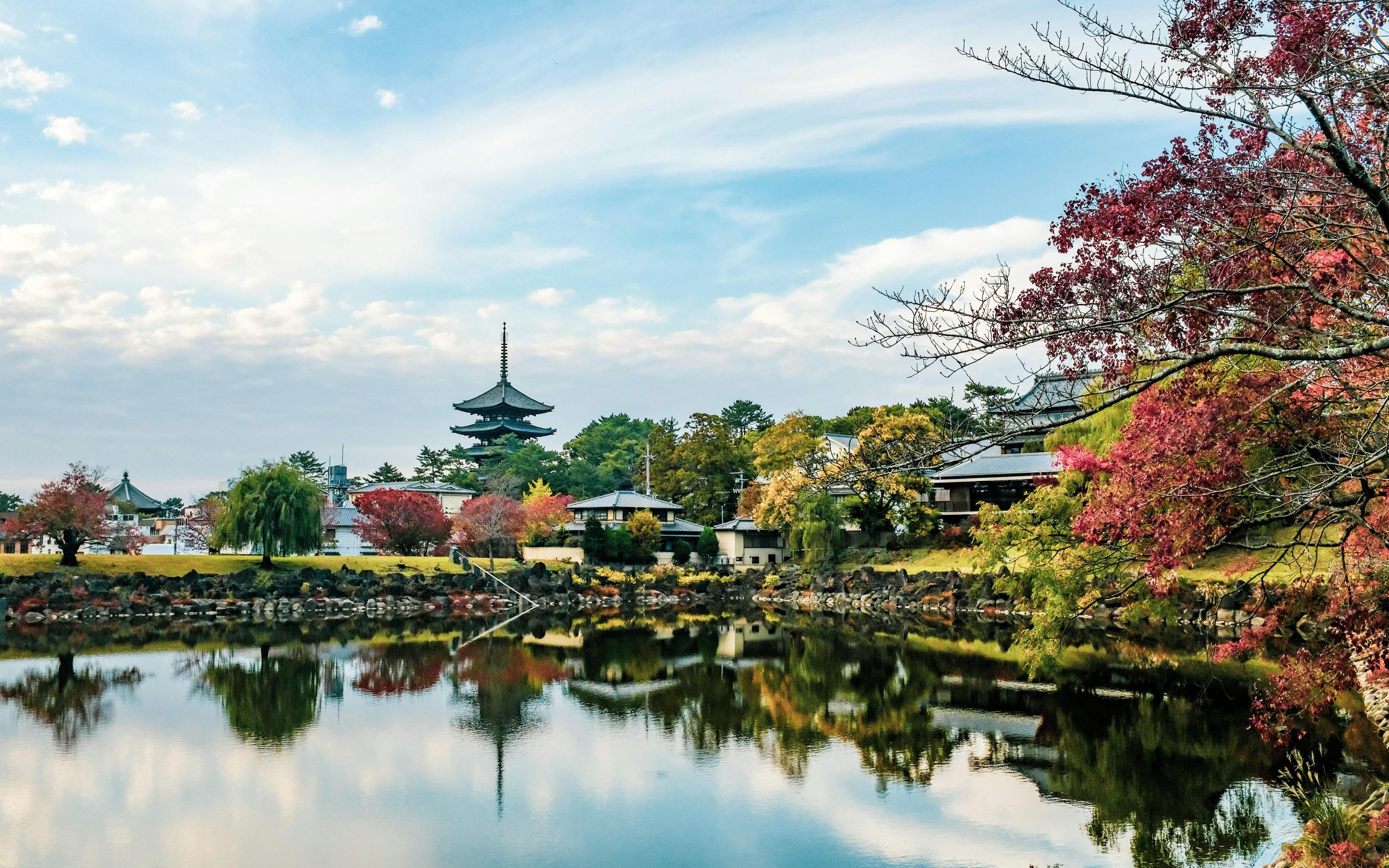
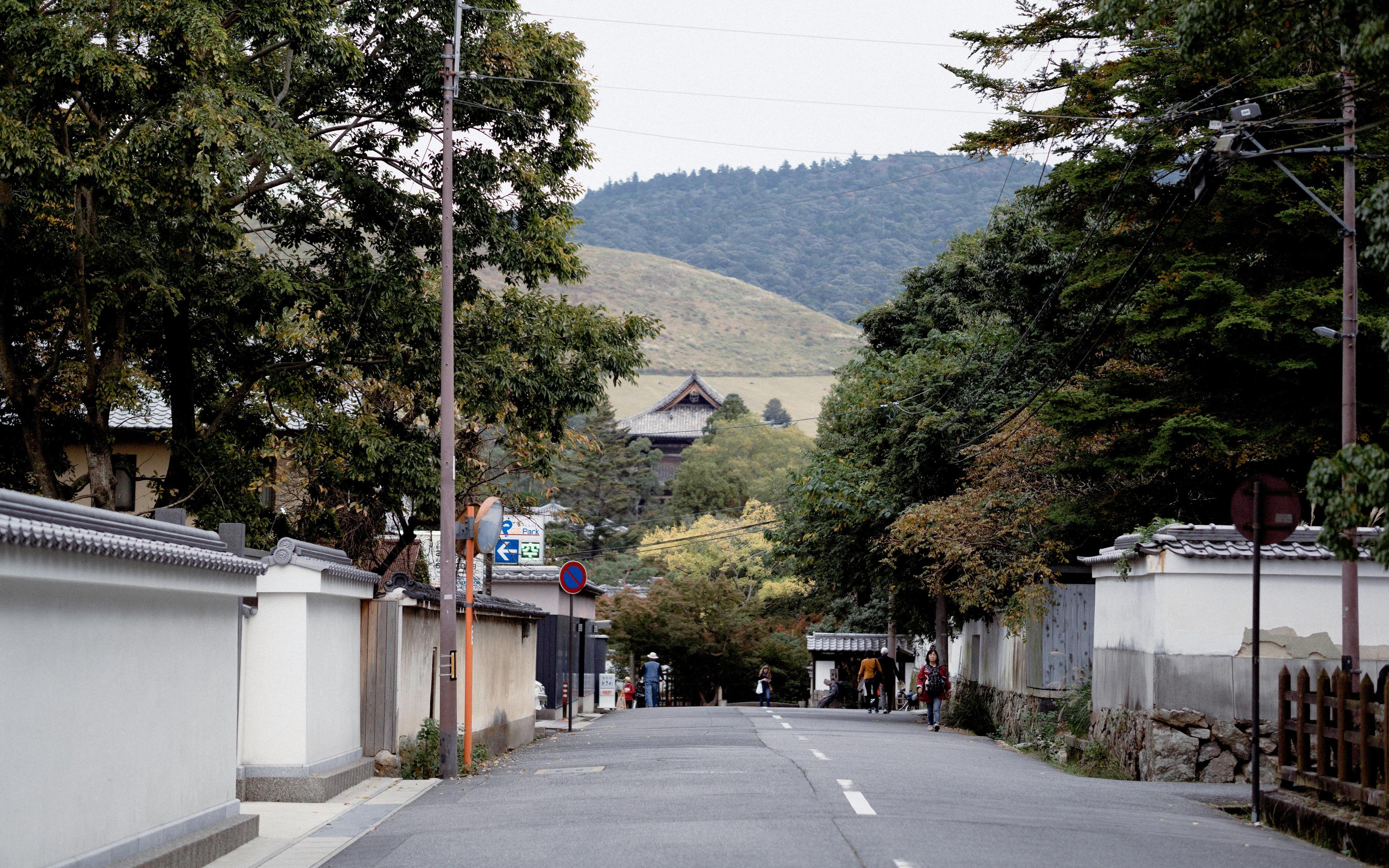
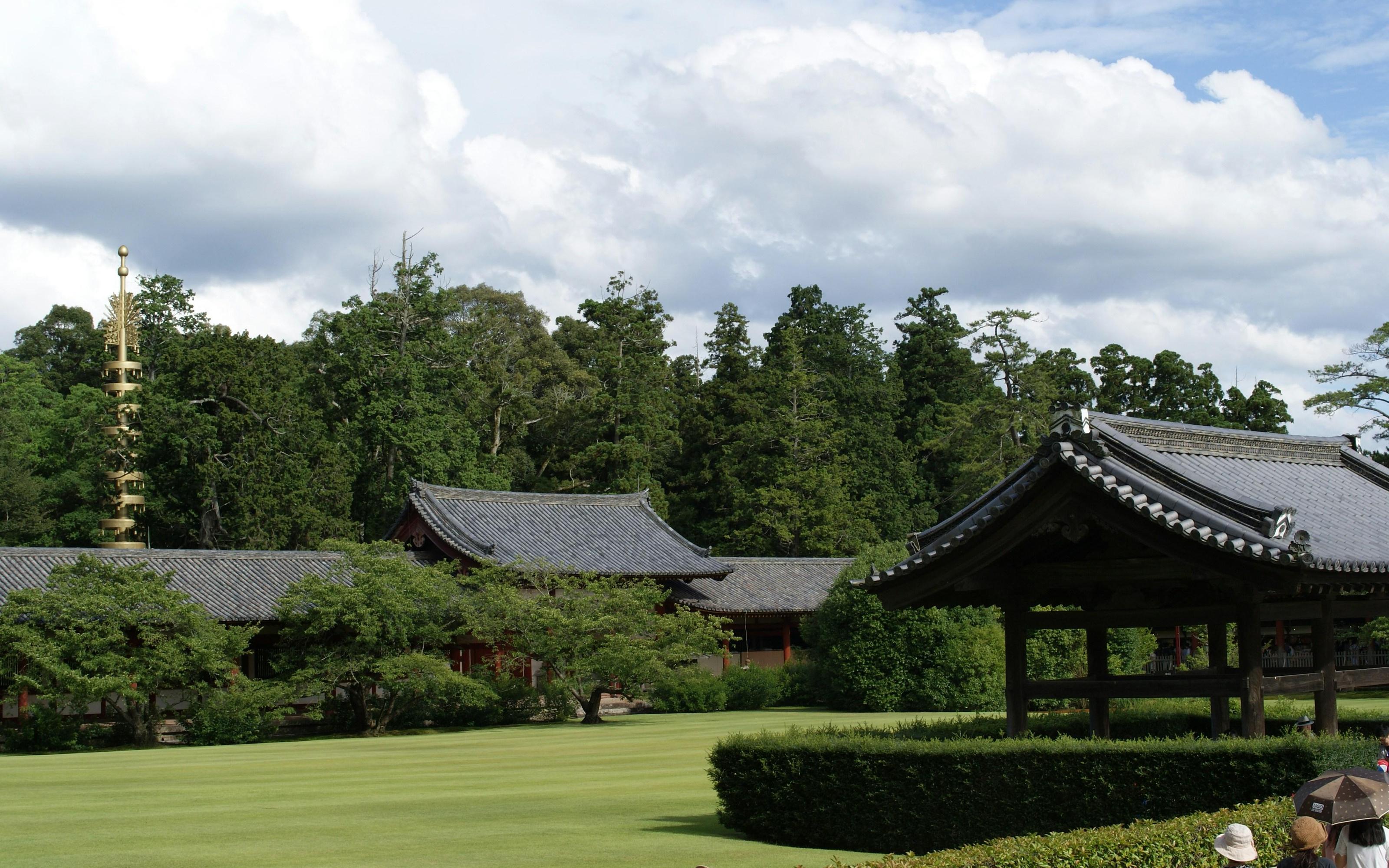
The chamber, the scale, the sky where the mound used to be.
Book Your Experience
Check Availability & Prices
Select your date and group size. Instant confirmation — free cancellation up to 24 hours before.
Ways to Meet the Megalith
Independent, guided ride, or the private day.
| Feature | Independent visit (a few hundred yen) | THE STONE, IN CONTEXT E-bike megalith tour ($77) | Private ancient-capital day ($219) |
|---|---|---|---|
| What you get | The chamber and the site plaque - real, cheap, and silent about most of what matters | Ishibutai and its megalith siblings with a guide and battery-assisted legs | The whole valley built around your questions, tomb by tomb |
| Honest note | No button - buy at the gate. Pair with a station bike and this is the budget day done right | Starts Nara-side; confirm the meeting point when booking | Private pricing, pre-wave attention - the guides currently have time the future won't give them |
| Check Availability | Check the private day |
Ways to Reach the Stone
By guided bike or private day. Free cancellation on all.

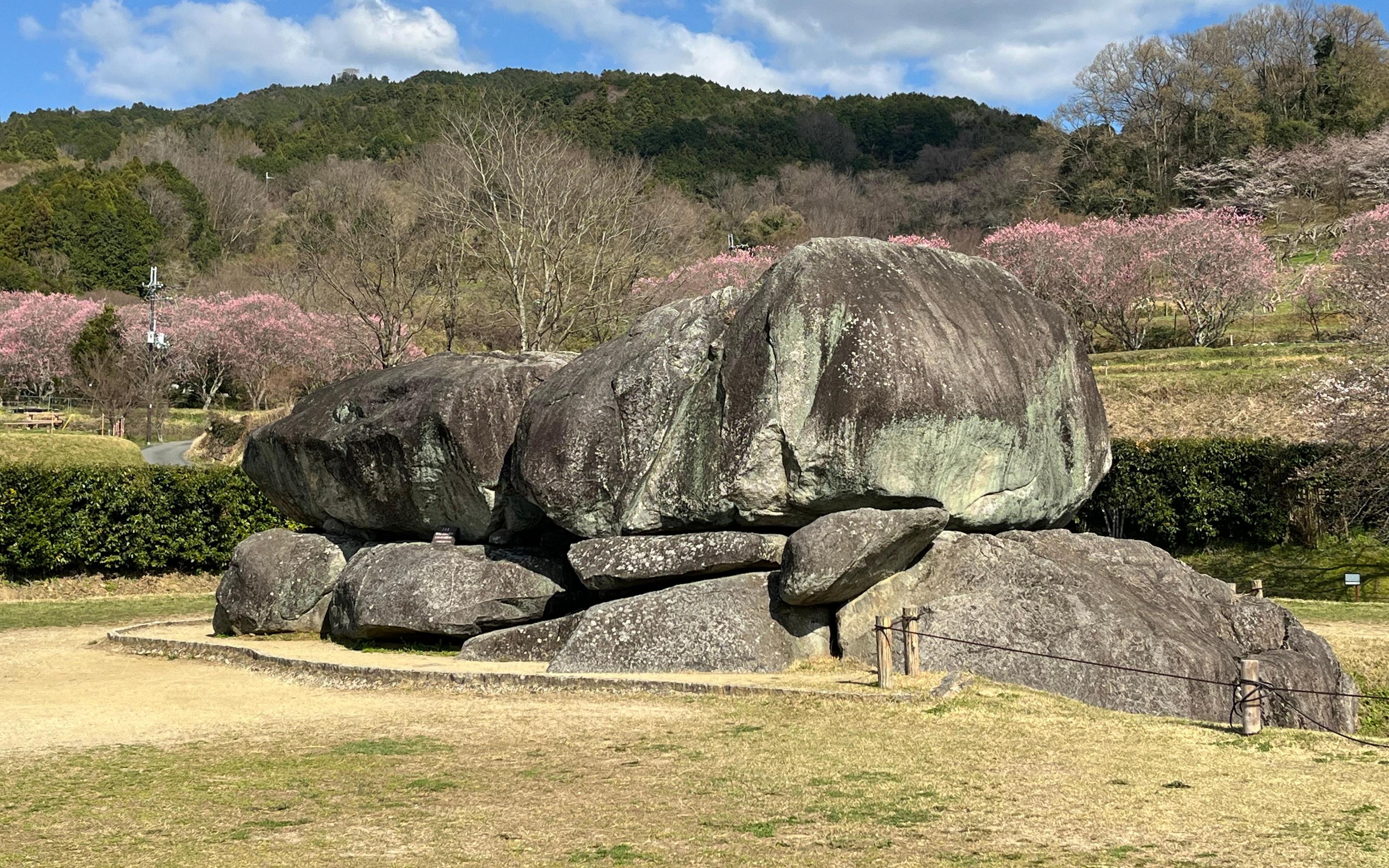
Every great site has one image that does the recruiting, and for the new World Heritage valley it’s this: a stack of bare granite megaliths - the largest estimated around seventy-plus tons, the whole chamber over two thousand - standing naked in a field because the earthen mound that covered them eroded away centuries ago. What remains is the skeleton of power: the burial chamber tradition attributes to Soga no Umako, the clan chancellor who dominated the Asuka court and bankrolled Japan’s first temple down the road.
The attribution, honestly, is tradition supported by circumstance rather than an inscription - seventh-century tombs don’t sign themselves - but the scale needs no signature: whoever commanded these stones commanded the state. Walk the chamber, circle the ring where the mound stood, and let the guided cycling loop or the e-bike megalith day put the neighboring mounds
- and the whole inscription’s nineteen components - into one story. The painted tombs a short ride south show what chambers like this held when the lids stayed on.
Guest Reviews
What Visitors Say
Read all 0 verified reviews
See All ReviewsReady to See Where Japan Began?
Guided cycling, private heritage days and the from-Kyoto route - all with free cancellation. The crowds are a year away; the stones are not. Starting from $77 per person.
Browse the Asuka SectionsIshibutai Questions
Everything you need to know before you visit Asuka.
Tradition - strong but unsigned - says Soga no Umako, the chancellor who dominated the late-500s court and funded Asuka-dera. The stones themselves only testify to power: a chamber of megaliths this size was a state project whoever lay in it.
A few hundred yen at the site entrance - Asuka's monuments charge pocket change. It's open daily in daylight hours, and the chamber itself is walk-in once you're through the gate.
The covering mound eroded (or was stripped) over the fourteen centuries since construction, leaving the internal stone chamber standing bare - which is exactly what makes Ishibutai photograph like nowhere else in Japan: you see the engineering every other kofun hides.
Still have questions? Email us at info@asukajapan.com